October 20, 2024 |13 min read
Why Does Cat Pee Smell So Bad? Causes and Solutions

Written by




Key Takeaways
|
We’ve all been there: you walk into a room and catch that unmistakable whiff of cat pee. But why does cat pee smell so bad? The answer starts with what’s naturally in your cat’s urine.
Cat urine naturally has a distinct odor because it contains concentrated waste compounds, and the smell can become stronger as urine sits and breaks down. Hydration, hormones, health conditions, and litter box habits can also affect how noticeable the odor becomes.
A familiar urine smell isn’t necessarily a concern, but a sudden or unusual change deserves attention, especially alongside other symptoms. Next, we’ll look at what causes strong-smelling urine, how ammonia develops, warning signs to watch for, and ways to tackle lingering odors at home.
Why Does Cat Pee Smell So Bad?
Cat pee smells strong because it contains concentrated waste compounds, including urea, which bacteria break down into ammonia as urine sits. Dehydration, hormonal marking, certain health conditions, and delayed litter box cleaning can intensify the odor. Strong-smelling urine does not always mean illness, but sudden changes alongside other symptoms warrant veterinary attention.[1]
What Causes Strong-Smelling Cat Urine?
Several factors can change how strong your cat’s urine smells. Hydration, hormones, health, diet, and litter box conditions all play a role. There’s also a difference between urine that smells unusually strong when freshly passed and urine that becomes much more pungent after sitting in the litter box.[2][3][4]
Medical Issues That Can Affect Urine Odor
Dehydration can make urine more concentrated, which may give it a stronger odor. Medical conditions can also change urinary patterns or odor, but smell alone cannot tell you what is wrong.
Potential health considerations include:
-
Urinary tract infections (UTIs) and bladder inflammation can cause changes in urination and other urinary symptoms.
-
Kidney disease can affect hydration and urination, particularly in older cats.
-
Diabetes can lead to increased thirst and urination, which provide more useful clues than odor alone.
-
Dehydration may make urine more concentrated and noticeable.
Watch for changes such as increased thirst, cat urinating a lot, frequent trips to the litter box, blood in the urine, straining, or urinating outside the box. If these signs appear alongside a change in odor, talk with your veterinarian.
Behavioral and Hormonal Factors
Your cat’s hormones and behavior can affect how urine smells, especially if they spray rather than urinate normally. Intact male cats often have particularly pungent urine because reproductive hormones influence urine marking.
Spraying usually involves small amounts of urine deposited on vertical surfaces as territorial communication. Stress, changes at home, and the presence of other cats can also trigger marking.
If your cat is peeing outside the litter box, look at the behavior and the surrounding circumstances instead of assuming the odor comes from a medical problem.
Diet, Hydration and Environmental Factors
Your cat’s food and water intake can influence urine concentration. A cat that doesn’t drink enough water may produce more concentrated urine, while moisture-rich food can contribute to overall water intake. Diet can affect urine chemistry, but a strong smell does not automatically mean your cat needs a different food.
The litter box itself can also make a big difference. Infrequent cleaning allows urine to accumulate, making the overall odor stronger. In multi-cat households, the higher volume of urine can make odor buildup happen faster. Poor ventilation can make the smell more noticeable, too.
A freshly passed urine sample that smells different from usual deserves attention. A litter box that smells increasingly strong after several deposits is a different situation and may reflect accumulated urine rather than a change in your cat’s health.
Why Cat Urine Smells Like Ammonia
Fresh cat urine has a noticeable smell because of the waste compounds it contains, including urea, uric acid, creatinine, and other substances. Cats also naturally produce pungent-smelling urine. As urine sits, its odor can become much stronger, particularly as bacteria act on urea and produce ammonia.[5][6]
How Bacteria Break Down Cat Urine
The process is fairly straightforward:
-
Your cat urinates, leaving behind urine and its various waste compounds.
-
Bacteria begin breaking down urea in the urine.
-
This bacterial activity can produce ammonia, giving older urine a sharper, more pungent smell.
The other compounds in urine don’t all produce ammonia through this same process. They can remain as residues even after the urine has dried.
Why Old Cat Urine Smells Worse
Urine that remains in a litter box or soaks into a carpet, mattress, or upholstery can become increasingly difficult to deal with. Porous materials can hold onto urine residues, allowing the odor to linger even after the surface appears dry. Moisture or humidity can also make an old odor noticeable again.
Urine can also leave behind crystals as it dries. These cat urine crystals can contribute to stubborn residues that are difficult to remove. The longer urine remains in an area, the harder it can be to keep the smell from returning.
When Strong-Smelling Cat Urine Signals a Health Concern
A naturally pungent urine smell doesn’t necessarily mean your cat is sick. A sudden or persistent change deserves more attention, especially when it appears alongside changes in drinking, urination, appetite, or activity. Urine odor alone cannot confirm a UTI, diabetes, kidney disease, or another health condition.[2][3][7]
Urine Odors and Symptoms Worth Monitoring
An unusually foul, sweet, or unfamiliar smell can be worth discussing with your veterinarian, particularly if you also notice:
-
Your cat is drinking more water or is urinating a lot.
-
Your cat has blood in their urine, loses weight, or seems unusually tired.
-
Your cat starts urinating outside the litter box.
-
Your cat’s urine develops a sweet smell. This can raise questions about diabetes, but odor alone cannot diagnose it.
Persistent or unexplained changes warrant a veterinary evaluation, so your cat can receive an appropriate examination and testing.
When to Contact Your Veterinarian
Contact your veterinarian if strong-smelling urine persists or appears with other urinary or behavioral changes. Straining, painful urination, or repeated attempts to urinate with little or no urine require prompt veterinary attention.
If your cat cannot pass urine, especially if they’re male, treat it as a medical emergency. Don’t wait to clean the litter box or see if the odor improves before seeking care.
Effective Strategies to Manage and Reduce Odor
Strong cat urine odor usually calls for two different approaches: remove urine that has reached household surfaces and prevent waste from accumulating in the litter box. Acting promptly can make both jobs easier.[1]
How to Remove Cat Pee Smell from Household Surfaces
For household accidents, the right cleaning method depends on where the urine has soaked in. These quick tips can help you choose an approach without damaging the surface.
Target Area |
Problem |
Recommended Solution |
|
Litter Box |
Accumulated urine and waste |
Scoop regularly, follow your litter’s replacement instructions, and clean the box as recommended. |
|
Carpet and Rugs |
Urine reaches fibers and padding |
Blot promptly and use a suitable enzymatic cleaner. |
|
Mattress |
Urine reaches porous layers |
Blot, treat with a fabric-safe enzyme cleaner, and let it dry completely. |
|
Clothing and Bedding |
Urine remains in fabric |
Pre-treat with a laundry-compatible enzyme cleaner and follow care instructions. |
|
Floors |
Urine collects in seams or joints |
Use a cleaner compatible with the flooring and treat affected areas thoroughly. |
For accidents, blot fresh urine rather than rubbing it deeper into the material, then use an enzyme-based cleaner that is suitable for the surface.
For detailed advice on different surfaces, see how to keep home smelling fresh. Always follow the cleaner’s directions and test it on an inconspicuous area first.
Choosing the Right Litter for Odor Control
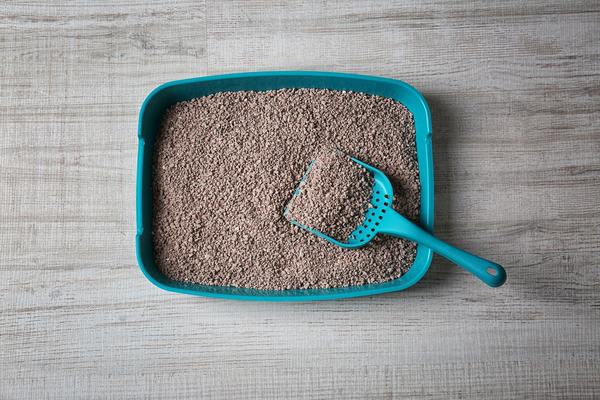
Litter that absorbs moisture effectively can help manage odor, but it cannot replace regular maintenance. Choose a litter your cat will comfortably use and keep the box clean. Daily scooping helps prevent odor from building up, while multi-cat homes may need more frequent attention.
Mistakes to Avoid When Cleaning Cat Urine
For a cleaner litter box routine, a few common cleaning mistakes can also make odors harder to manage. Avoid these pitfalls:
-
Don’t use ammonia-based cleaners. The smell can resemble urine and may encourage your cat to return to the area.
-
Don’t mix cleaning products. Use each product according to its instructions, particularly around urine or other cleaners.
-
Don’t rely on fragrance to solve the problem. A scented spray may cover an odor temporarily without removing the urine residue.
-
Don’t overlook porous materials. Urine can soak into carpet padding, mattresses, and upholstery, where surface cleaning may not reach it.
How PrettyLitter Can Help with Cat Urine Odor
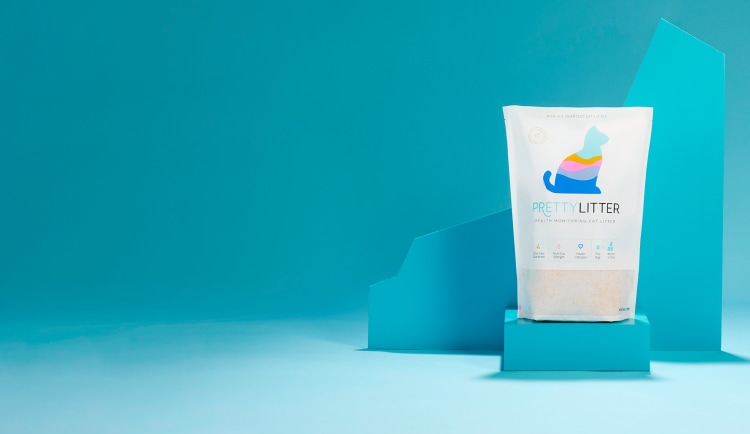
PrettyLitter uses absorbent silica-gel crystals to soak up moisture and trap urine, helping control litter box odors before they spread through your home. Its odor-control formula also helps keep the litter box environment fresher between cleanings.
PrettyLitter also offers a way to monitor certain changes in your cat’s urine. Its color-changing crystals react to urine pH, while visible blood can appear red against the white litter. These changes may provide useful clues to discuss with your veterinarian, but PrettyLitter cannot diagnose diabetes, urinary tract infections, kidney disease, or the cause of strong-smelling urine.
Keep scooping regularly and follow PrettyLitter’s recommended maintenance routine. If you’re looking for advanced odor control while keeping an eye on certain urinary changes, PrettyLitter can make litter box care a little easier.
Strong-Smelling Cat Urine: FAQs
Why does my cat’s urine smell stronger than usual?
Strong-smelling urine can result from concentrated urine, dehydration, hormonal marking, health conditions, or urine sitting in the litter box. If the smell changes suddenly or persists, look for other signs such as increased thirst, frequent urination, blood, or changes in litter box habits.
Why does my male cat’s pee smell so strong?
Intact male cats can have especially pungent urine because reproductive hormones influence urine marking. Spraying also leaves concentrated urine in small amounts on surfaces. If your male cat is neutered or urinates normally but develops a sudden odor change, watch for other urinary or behavioral changes.
Why does my senior cat’s pee smell worse?
Senior cats may experience changes in hydration, kidney function, urinary health, or other conditions that affect urine concentration and litter box habits. A stronger smell alone does not identify the cause. If the odor changes persist or you notice increased thirst, urination, weight loss, or lethargy, contact your veterinarian.
Can a UTI make cat pee smell bad?
A UTI can cause changes in urine and litter box habits, and some cats may have unusually strong-smelling urine. However, odor alone cannot confirm an infection. Frequent urination, straining, blood in the urine, pain, or urinating outside the litter box warrant veterinary evaluation.
Does diabetes make cat urine smell sweet?
Diabetes can cause increased thirst and urination, but a sweet-smelling urine odor alone cannot diagnose diabetes. If you notice a sweet or unusual smell along with increased drinking, frequent urination, weight loss, or changes in activity, have your cat evaluated by a veterinarian.
How do I get cat pee smell out of carpet, mattresses and clothing?
Blot fresh urine promptly rather than rubbing it deeper into the material. Use an enzyme-based cleaner suitable for the surface and follow its instructions. For clothing and bedding, use a laundry-compatible enzyme product and follow the garment’s care instructions.
When should I worry about strong-smelling cat urine?
A sudden or persistent odor change deserves attention, especially with increased thirst, frequent urination, blood, weight loss, lethargy, pain, or straining. Repeated unsuccessful attempts to urinate or an inability to pass urine, especially in male cats, require immediate veterinary care.


