
January 15, 2020 |15 min read |Veterinarian Reviewed
What Scents Are Safe for Cats? Essential Oils, Candles, and Fragrances Explained

Written by




Key Takeaways
|
|
You light a favorite candle or start an essential oil diffuser, only to notice your cat quietly leaving the room. Coincidence? Maybe. Cats experience scents very differently than we do, and some fragrances that seem harmless to us can make them uncomfortable or even pose health risks.
If you're wondering what scents are safe for cats, you're in the right place. This guide covers safer and riskier scents, including essential oils, candles, diffusers, and everyday household fragrances, along with practical tips to help you create a fresh-smelling home that's comfortable for your feline companion.
Are Scents Safe for Cats? What You Need to Know First
The short answer is yes. Some scents are safer than others, but no fragrance is completely risk-free for every cat. If you're asking what scents are safe for cats, look beyond the ingredient list. A scent's safety depends on its concentration, how it's released into the air, how long your cat is exposed to it, and how well the space is ventilated.
Even products marketed as natural or pet-friendly deserve a closer look. Before choosing essential oils, candles, or other scented products, it helps to understand why cats react differently to fragrances than we do.
Why Cats Are More Sensitive to Scents Than Dogs
Cats rely on their highly developed sense of smell to explore their surroundings, communicate, and detect changes in their environment. Their unique metabolism also makes it harder to process certain compounds found in essential oils, including phenols and some monoterpenes.
Exposure isn't limited to breathing in a scent. Cats may also pick up fragrance residues on their fur and ingest them while grooming. That's why airborne products, surface residues, and repeated exposure all matter when evaluating scent safety. Understanding these differences makes it easier to choose fragrances that are less likely to affect your cat's comfort or well-being.
What Scents Are Safe for Cats?
If you're looking for cat-friendly scents, think in terms of lower-risk options rather than completely safe ones. A fragrance that works well in one home may not be suitable in another, especially if a cat has respiratory sensitivities or spends a lot of time in smaller spaces. The safest approach is to use scented products sparingly, avoid enclosed spaces, consider how long your cat will be exposed, and give your cat the freedom to move away from the fragrance if they choose.
Cat-Safe Essential Oils (If Used Carefully)
There isn't a universal list of safe essential oils for cats. However, according to the ASPCA, some of the feline-friendly scents include:
-
Basil
-
Easter Lily Cactus
-
Fennel
-
Hibiscus
-
Jasmine
-
Lemon Balm
-
Rose
-
Sage
-
Thyme
But even oils often described as lower risk, such as frankincense, chamomile, or cedarwood, require caution. The way an oil is used matters just as much as the oil itself. Concentration, frequency of use, and whether your cat can come into contact with airborne droplets or residue all influence risk.
You should always avoid applying essential oils directly to your cat or allowing them to come into contact with your cat's fur, bedding, or food and water bowls. If you're considering aromatherapy, ask your veterinarian before introducing any new scent into your home.
Cat-Safe Household Scents
Many everyday scents are generally less likely to bother cats than heavily fragranced products. Some lightly scented or fragrance-free household products are generally less likely to bother cats, such as:
-
Fresh air from open windows (when it's safe to do so)
-
Unscented or lightly scented cleaning products
-
Fresh herbs such as basil, sage, and thyme
-
Naturally fresh spaces maintained through regular cleaning and litter box care
Household fragrances vary widely in their ingredients and concentration. Products like aerosol air fresheners, plug-ins, fabric sprays, and strongly scented cleaners can release higher levels of fragrance into the air than naturally occurring scents.
Instead of masking odors with heavy fragrances, focus on keeping your home clean, well ventilated, and free of lingering smells. A fragrance-free or lightly scented environment is often the most comfortable choice for both you and your cat.
What Candles Are Safe for Cats?
Candles deserve the same careful consideration as essential oils because they release fragrance into the air. Look for candles with a mild scent, shorter ingredient list, and cleaner-burning materials such as soy wax. Burning them only occasionally can help reduce overall airborne fragrance in your home.
Are Wax Melts Safe for Cats?
Because wax melts release fragrance over several hours, they can create longer periods of continuous exposure than many room sprays or candles. If you use them, avoid running multiple scented products in the same room.
Keeping fragrance levels low is usually a better approach than trying to mask household odors.
What Scents Are Toxic or Dangerous to Cats?
Some scents that are toxic to cats deserve extra caution, but the level of risk depends on the fragrance itself, its concentration, and how your cat is exposed. A diluted scent lingering briefly in a well-ventilated room doesn't pose the same concern as a concentrated oil spilled on fur or inhaled over several hours. Instead of trying to memorize every ingredient, focus on the products most likely to contain highly concentrated fragrance oils and keep them out of your cat's reach.
Essential Oils That Are Toxic to Cats
Many essential oils toxic to cats contain compounds such as phenols and monoterpenes, which cats have difficulty processing. Oils commonly associated with toxic reactions in cats include:
-
Tea tree
-
Eucalyptus
-
Peppermint
-
Citrus oils
-
Pine
-
Wintergreen
-
Clove
-
Pennyroyal
-
Sweet birch
-
Ylang-ylang
Concentrated oils present a greater risk than trace amounts found in some household products. Avoid letting your cat inhale, lick, or come into direct contact with these oils.
You can also learn more about plants and substances toxic to cats, and if you think your cat has been exposed, contact your veterinarian immediately.
What Scents Do Cats Hate?
Cats often avoid strong scents such as citrus, peppermint, eucalyptus, vinegar, and some spicy aromas. However, a scent your cat dislikes isn't necessarily toxic. Many cats will walk away from an overpowering fragrance long before it causes harm.
If you're curious about common smells cats hate, understanding the difference between scent aversion and toxicity can help you make better choices at home.
Is Lavender Safe for Cats?
Lavender is a good example of why scent safety isn't always straightforward. While growing lavender outdoors or as a houseplant may present a lower risk, the lavender essential oil contains compounds that can be harmful if inhaled in large amounts, ingested, or absorbed through grooming. If you enjoy the scent of lavender, limit your cat's exposure, keep the room well ventilated, and avoid direct contact with concentrated oils.
Can You Use a Diffuser Around Cats?
Yes, but it depends on the type of diffuser, the fragrance being used, and your home's setup.
Diffusers continuously release tiny particles or fragrance into the air, so they can expose cats for much longer than a scented candle or room spray. That's why it's worth thinking about more than just the ingredients. Room size, ventilation, how long the diffuser runs, and whether your cat can leave the area all affect exposure.
Ultrasonic diffusers, nebulizing diffusers, and passive diffusers don't release fragrance in exactly the same way, so exposure can vary depending on the type you use. If you notice your cat avoiding a room after a diffuser is turned on, treat that as a sign to reduce how long it runs, move it to a different room, or stop using it.[1][2][7]
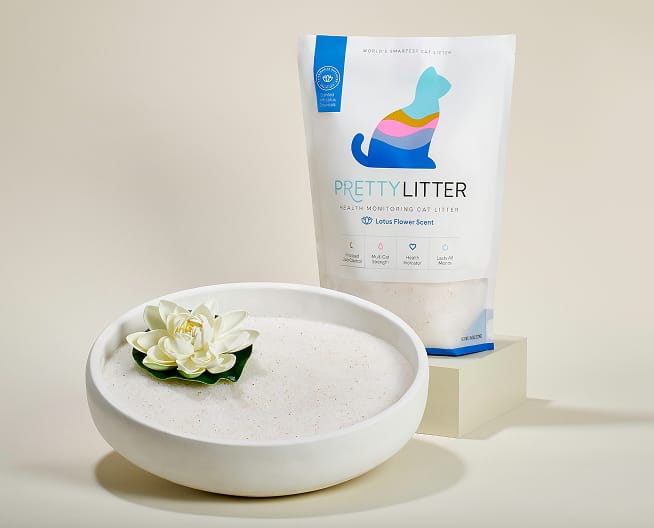
Strongly scented products, including heavily fragranced litter, may discourage some cats from using the litter box comfortably. If you use PrettyLitter health-monitoring cat litter, continue monitoring your cat's litter box habits, urinary health, and overall behavior, as changes may indicate it's time to check in with your veterinarian.
Safe Diffuser Practices if You Have Cats
If you choose to use a diffuser, a few simple adjustments can make your home more comfortable for your cat.
-
Place the diffuser in a well-ventilated room rather than a small, enclosed space.
-
Run it for shorter periods instead of leaving it on throughout the day.
-
Make sure your cat can leave the room whenever they want.
-
Clean up spills promptly and keep bottles out of your cat's reach.
-
Watch for changes such as avoiding certain rooms, excessive grooming, sneezing, coughing, or changes in behavior after introducing a new scent.
Every cat responds differently to fragrances. Start with the lowest level of exposure, observe your cat over the next day or two, and adjust your routine if they seem uncomfortable.
Signs Your Cat Has Been Affected by a Scent or Essential Oil
Most cats won't react to every fragrance they encounter. Reactions can happen immediately after exposure or develop gradually with repeated contact. The timing often depends on the fragrance, concentration, and how your cat encountered it (inhaled it, got it on their fur, or ingested it while grooming).
Watch for symptoms such as:
-
Excessive drooling
-
Vomiting
-
Watery eyes or nose
-
Sneezing, coughing, or difficulty breathing
-
Tremors or unsteady walking
-
Unusual tiredness or hiding
-
Loss of appetite
If you notice mild irritation, move your cat to fresh air and remove the source of the fragrance. If symptoms are severe, worsen quickly, or your cat has come into contact with concentrated essential oils, contact your veterinarian or the ASPCA Animal Poison Control Center immediately. Prompt care can make a significant difference after a toxic exposure.
Natural Alternatives to Scent Your Home Safely Around Cats
A fresh home doesn't have to smell strongly scented. In many cases, reducing unwanted odors works better than covering them up with fragrances. The freshest homes often rely less on added fragrance and more on preventing odors from building up in the first place.
Low-Scent Home Strategies
Small everyday habits can make a noticeable difference without relying on added fragrance.
-
Open windows when weather and safety allow to improve airflow.
-
Scoop and clean the litter box regularly to help control odors at the source.
-
Wash your cat's bedding, blankets, and favorite resting spots on a routine schedule using lightly scented or fragrance-free detergents.
-
Vacuum and dust frequently, as fabrics and carpets can trap odors over time.
If you're making your home safe for cats, focusing on cleanliness and ventilation often works better than adding stronger scents.
Cat-Friendly Enrichment Scents
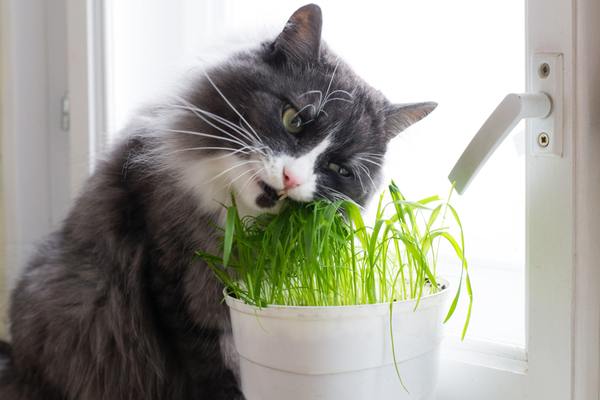
Not every scent is meant to freshen your home. Some cats enjoy investigating new smells as part of environmental enrichment. Safe herbs or plants, such as catnip or silver vine, can encourage play and curiosity without filling an entire room with fragrance.
Since scent preferences vary from cat to cat, introduce new enrichment gradually and watch how your cat responds.
Household Alternatives to Heavy Fragrance
Choose fragrance-free or lightly scented household products whenever possible, and address odors where they start instead of masking them. Regular cleaning, proper ventilation, and high-quality odor-control products can keep your home pleasant without overwhelming your cat's sensitive nose.
Your cat doesn't need a strongly scented home to feel comfortable. Paying attention to how they respond to new fragrances can help you find a balance that works for both of you.
If you're ever unsure about a particular scent or product, your veterinarian can help you make the best choice for your cat.

Tired of your
home smelling like
you have a cat?
What Scents Are Safe for Cats? FAQs
What essential oils are safe to diffuse around cats?
There isn't a universal list of safe essential oils for cats. Even lower-risk oils should only be used cautiously, in well-ventilated spaces, and never directly on your cat. Ask your veterinarian before using essential oils around your cat.
Is lavender safe for cats?
Lavender isn't completely risk-free for cats. While the plant may pose less risk than lavender essential oil, concentrated oil can be harmful if inhaled, ingested, or absorbed through grooming. Limit exposure and avoid direct contact.
Is peppermint oil toxic to cats?
Yes, peppermint oil is considered potentially toxic to cats. Because it's highly concentrated, it can cause digestive, respiratory, or neurological symptoms if inhaled, ingested, or absorbed through the skin. Keep it out of your cat's reach.
Can I use a wax warmer or wax melts around my cat?
Wax melts and warmers can release fragrance for extended periods, increasing your cat's exposure. If you use them, choose lightly scented products, ventilate the room well, and let your cat leave the area whenever they want.
What are the signs my cat has been exposed to a toxic scent?
Common signs include drooling, vomiting, watery eyes, coughing, difficulty breathing, tremors, unusual tiredness, or loss of appetite. If your cat develops severe symptoms or comes into contact with concentrated essential oils, contact your veterinarian immediately.
Are fragrance oils safe for cats?
Some fragrance oils may irritate cats, especially in enclosed spaces or at high concentrations. Since formulations vary, choose fragrance-free or lightly scented products whenever possible and watch your cat for signs of discomfort after introducing a new fragrance.
What scents do cats like?
Many cats enjoy scents such as catnip or silver vine because they encourage play and exploration. Some cats also show interest in herbs like valerian. Preferences vary, so introduce new scents gradually and observe your cat's response.
Is citrus scent safe for cats?
Citrus oils are generally not recommended around cats because they contain compounds that may be harmful in concentrated forms. If you use citrus-scented products, keep them away from your cat and avoid direct or prolonged exposure.
References


