September 2, 2026 |15 min read
Best Multi Cat Litter for Odor Control: What to Look for and Top Picks

Written by




Key Takeaways
- Multi-cat homes need stronger odor control because waste and moisture build up faster.
- Silica crystal litter is a strong option for odor control because it absorbs moisture and helps lock in odors.
- Clumping clay and natural litters offer different benefits, but odor-control performance depends on the formula.
- Regular scooping, proper ventilation, timely litter changes, and enough litter boxes help keep odors under control. A common guideline is one box per cat, plus one extra.
- PrettyLitter’s silica crystal formula offers moisture absorption, odor control, low-dust performance, and urine health monitoring, making it an option for multi-cat households.
Have you ever walked past the litter boxes and caught a smell you wish you hadn’t? With multiple cats using the same space, urine and waste can build up quickly, making odor harder to manage.
If you’re looking for the best multi cat litter for odor control, look for something that can absorb moisture, trap odors, and stay effective between cleanings. Low dust and a comfortable texture can also make a difference for cats that share a litter box setup.
Still, litter is only part of the solution. Regular scooping, timely litter changes, and enough well-placed litter boxes all help keep your home smelling fresher.
Why Multi-Cat Homes Need Stronger Odor Control
Two cats can fill a litter box much faster than one, and a larger household means even more urine and waste to manage. As urine sits, bacteria break it down and produce an ammonia-like odor that becomes more noticeable over time.
Cats also have a much stronger sense of smell than humans, so a box that seems fine to you may already be unpleasant to your cat. In a multi-cat home, keeping boxes fresh can encourage better litter box use and make daily cleanup easier.
Regular scooping helps, but having enough boxes matters, too. Multiple litter boxes give cats more clean options and can prevent waste and odors from becoming concentrated in one location.[1]
What Makes Litter Effective at Controlling Odor
A litter box does a lot of work in a multi-cat home. The right litter can help manage moisture and odors, but its performance also depends on how well your cats tolerate it and how often you clean the boxes.
Look for these features when comparing options:
Strong Moisture Absorption
Urine is one of the main sources of litter box odor, so good absorption matters. Litter that quickly pulls moisture away from the surface can help limit the conditions that contribute to lingering smells. Silica crystals, for example, absorb moisture and can provide odor control.
Odor Trapping Technology
There’s a difference between trapping or absorbing odors and covering them with perfume. Ingredients such as activated charcoal and baking soda can help control unpleasant smells, while strong fragrances may bother some cats. Unscented litter with effective odor control can be a better fit for cats with sensitivities.
Long-Lasting Performance
A busy litter box needs litter that can keep working between changes. Silica litter can absorb moisture and may need less frequent replacement than some other options. While this can make litter-box care easier in a home with several cats, regular scooping must remain part of the routine.
Low Dust and Cat Comfort
Dust matters because cats spend time digging, covering waste, and walking through their litter. Low-dust formulas can reduce airborne particles in the home, while texture affects whether a cat accepts the litter. Cats may also dislike hard, sharp, or heavily scented litter.
Choosing Based on Number of Cats
A larger multi-cat household puts more demand on litter, so prioritize strong moisture absorption, odor control, and long-lasting performance. Your number of litter boxes and cleaning frequency also affect how well any litter manages odor.
Litter Types Compared for Multi-Cat Odor Control
Silica crystal, clumping clay, and natural litters handle moisture and odor differently, and each comes with its own maintenance trade-offs. Before choosing, it can help to understand the different types of cat litter available and how they compare for a multi-cat household. Here’s what you need to know about each.
Silica Crystal Cat Litter
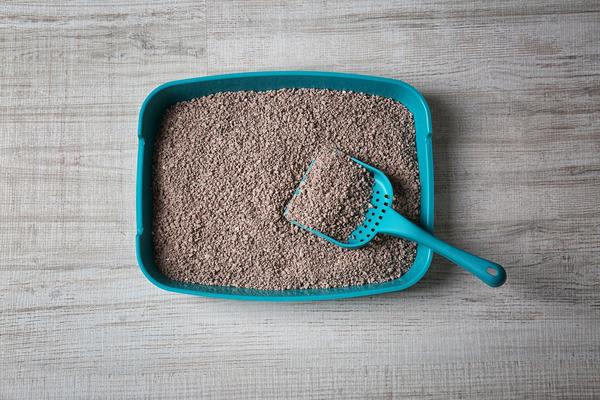
Silica crystal litter uses porous crystals to absorb liquid and hold moisture inside the litter. This makes it a strong option for multi-cat homes that prioritize moisture absorption and odor control. Some formulas also offer low-dust performance and longer-lasting use.
PrettyLitter is one example of silica crystal litter. Its lightweight design can also make storing, pouring, and changing litter easier. If that matters in your routine, explore lightweight cat litter as another factor to consider.
Clumping Clay Cat Litter
Clumping clay absorbs urine and forms solid clumps that you can scoop out without replacing the clean litter around them. That makes daily waste removal straightforward and can help keep odors from lingering in the box.
For a multi-cat home, keep these points in mind when considering clumping clay litter:
-
Easy Waste Removal: You can remove urine clumps and feces without emptying the entire box.
-
Familiar Texture: Many cats readily accept fine-textured clay litter.
-
Dust Varies: Some clay formulas produce more dust than others, so check the product’s dust-control claims.
Natural Cat Litter Options
Natural litters use materials such as corn, walnut, wood, or recycled paper. Their ability to control odor depends on the material and formula. Some natural litters absorb moisture well, while others may prioritize low dust, biodegradability, or a particular texture.
Consider these common options:
-
Corn: Often available in clumping formulas and can provide moisture and odor control.
-
Walnut: Uses crushed walnut shells and can offer absorbency and odor management.
-
Paper: Recycled paper litter is typically low dust and can work well for cats that need a softer option.
Quick Comparison: Multi-Cat Litter Types
|
Litter Type |
How It Works |
Key Benefits |
Considerations |
|
Silica Crystal |
Absorbs liquid and holds moisture inside porous crystals. |
Strong moisture absorption, lightweight options, low dust, and long-lasting performance. |
Some cats may need time to adjust to the crystal texture. |
|
Clumping Clay |
Absorbs urine and forms solid clumps for scooping. |
Easy daily waste removal, widely available, and familiar to many cats. |
Dust and odor-control performance vary by formula. |
|
Natural |
Uses materials such as corn, walnut, wood, or paper to absorb moisture and manage odors. |
Variety of materials, including plant-based and recycled options. |
Odor control, clumping, dust, and texture vary by material and formula. |
Choosing the Right Multi-Cat Litter Based on Your Needs
The right litter depends on what you need most from your multi-cat litter box, from odor control and low maintenance to a texture your cats will accept.[2][3][4][5]
Best for Maximum Odor Control
Silica crystal litter is a strong choice for households that prioritize odor control. Its moisture-absorbing crystals help manage urine and can provide long-lasting odor control, while some formulas offer low-dust and lightweight benefits.
For a multi-cat household, silica litter’s:
-
Moisture absorption helps manage frequent urine output.
-
Odor control helps reduce noticeable litter box smells.
-
Low-dust options can make the litter area cleaner.
-
Lightweight designs can make storage and handling easier.
PrettyLitter combines silica crystal odor control with urine health monitoring, helping cat parents keep the litter box fresher while noticing certain urine changes that may warrant a conversation with a veterinarian.
Best for Low-Maintenance Litter Care
If scooping several boxes is already part of your daily routine, a litter that stays effective longer can make the job easier.
Silica crystal litter can suit cat parents who want fewer full litter changes, while clumping clay offers convenient daily waste removal. The better fit depends on whether your priority is longer-lasting performance or easy scooping.
Best for Cats With Sensitivities
For cats that are sensitive to strong scents or dusty litter, consider fragrance-free, low-dust options with a texture your cat already accepts. If you’re switching litter, introduce it gradually and watch for changes in litter box use.
The right choice should balance odor control with what your cats will actually use consistently.
Daily Habits That Keep Multi-Cat Litter Boxes Fresh
Good litter can help manage odor, but your daily routine matters just as much. For more tips on how to control litter box odor in a multi-cat home, focus on regular scooping, proper box placement, and timely litter changes. A few practical habits can keep waste from piling up and give each cat a cleaner place to go.[6][7]
Use Enough Litter Boxes
The general recommendation is one litter box per cat, plus one extra. In a home with three cats, that means four boxes. Spreading boxes around the home also keeps several cats from concentrating their urine and waste in one location.
Scoop Regularly
How often to scoop cat litter becomes even more important in a multi-cat home. Scoop urine clumps and feces at least once a day, and consider doing it more often when several cats share the boxes. Removing waste promptly keeps odors from lingering and gives the litter more room to absorb new moisture. Regular scooping also helps you spot changes in your cats’ litter box habits.
Replace Litter as Needed
Even effective odor-control litter eventually needs a refresh. Signs that the litter needs to be replaced include:
-
A persistent smell after scooping
-
Litter that stays damp
-
A box that looks heavily soiled
If you’re unsure how often to change cat litter, follow the litter’s care instructions and consider factors such as the number of cats using the box. Clean the box regularly rather than relying on fresh litter to cover accumulated residue.
Keep Litter Boxes in Proper Locations
Place boxes in areas with good airflow so odors do not linger. For additional strategies on how to cut down on cat odor in your home, Avoid cramped, enclosed spaces where smells can concentrate, and cats may feel uncomfortable using the box. Choose quiet, accessible spots where each cat can reach a box without being blocked or disturbed by another cat.
Common Mistakes That Reduce Cat Litter Odor Control
A few litter-box habits can make even good odor-control litter work harder than it needs to. Watch for these common mistakes:[8][9]
-
Choosing Litter Only for Its Fragrance: Strong scents can mask odors for people without addressing the source, and some cats may dislike heavily scented litter.
-
Not Scooping Often Enough: A litter’s odor-control performance can suffer when waste sits in the box for too long.
-
Using Too Little Litter: Follow the product’s recommended fill level so the litter can absorb urine properly.
-
Putting Too Many Cats on One Box: Overcrowding can make a box unpleasant to use and allow waste to accumulate faster.
-
Mixing Litter Types Without a Plan: Changing or mixing litter types abruptly can make the box less appealing to a cat that prefers a particular texture or scent.
-
Ignoring Cat Preferences: A litter that smells or feels unpleasant to your cat may lead to litter-box avoidance, making odor management harder.
A clean box, suitable litter, and a setup your cats accept can go a long way toward keeping odors under control.
Finding the Best Multi Cat Litter for Odor Control
The best choice is the one that fits your household’s litter-box routine and your cats’ preferences. If odor control is your priority, silica crystal litter is worth considering for its moisture absorption and long-lasting performance.
PrettyLitter is a silica crystal option that adds urine health monitoring to everyday litter-box care, helping cat parents notice certain urine changes that may warrant a conversation with their veterinarian.
The right choice is the one that keeps the boxes manageable and works for the cats using them.

Tired of your
home smelling like
you have a cat?
FAQ
What is the best cat litter for multiple cats?
The best cat litter for multiple cats depends on your cats’ preferences and your maintenance routine. Look for strong moisture absorption, odor control, low dust, and a texture your cats will use comfortably. Silica crystal, clumping clay, and natural litters can all work well.
What is the best cat litter for multiple cats and odor control?
Silica crystal litter is a strong option for multi-cat homes focused on odor control. Its moisture absorption can help manage urine and lingering smells. Clumping clay and some natural litters can also provide good odor control, depending on their formula and how often you clean the boxes.
How do you control litter box odor with multiple cats?
Scoop waste at least once a day, use enough litter boxes, and replace litter as needed. The general recommendation is one box per cat plus one extra. Choosing absorbent, odor-controlling litter and placing boxes in well-ventilated areas can also help.
What is the best odor control cat litter for multiple cats?
The best odor control cat litter for multiple cats should absorb moisture well and manage odors without relying on heavy fragrance. Silica crystal litter is a strong choice because it absorbs liquid and can provide long-lasting odor control. Your cats’ texture and scent preferences also matter.
How often should you change cat litter with multiple cats?
How often you change litter depends on the litter type, number of cats, box usage, and product instructions. Multi-cat homes may need more frequent changes because the boxes collect waste faster. Persistent odor, damp litter, or heavily soiled boxes are signs that a change may be due.
How many litter boxes do you need for multiple cats?
The general recommendation is one litter box per cat, plus one extra. The general recommendation is one litter box per cat, plus one extra. Learn more about whether can cats share a litter box or do they each need their own and how to set up boxes in a multi-cat home. For example, a two-cat household would have three boxes. Spreading boxes across accessible, quiet areas gives cats more options and prevents one box from handling all the waste and traffic.
References


